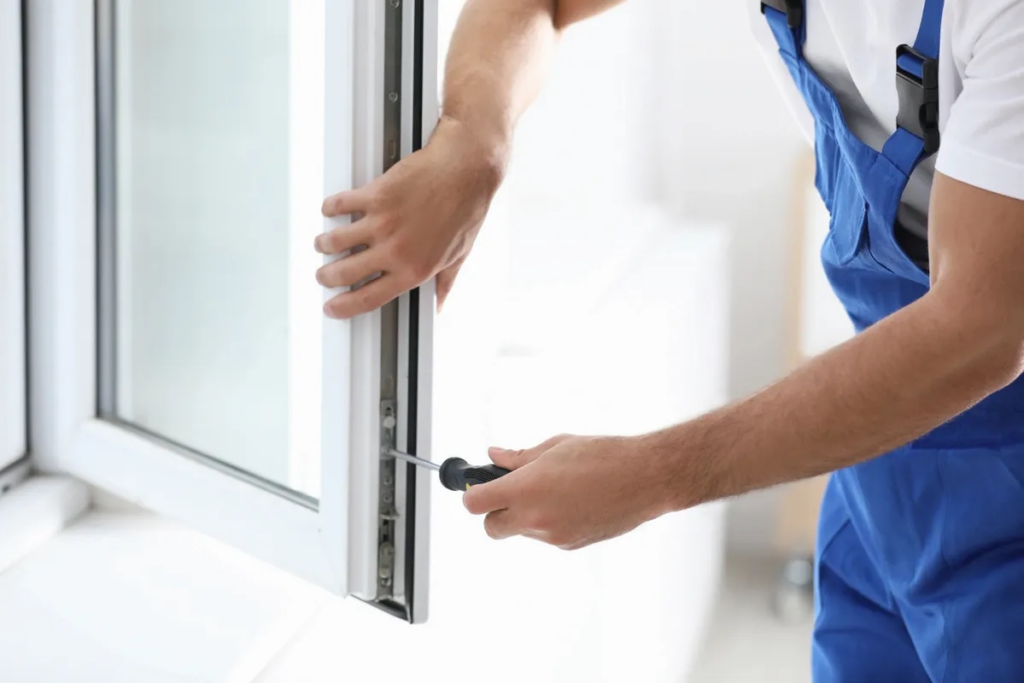
How to Repair Window Leaks: A Comprehensive Guide
Window leaks can be a significant source of frustration for house owners, leading to water damage, mold development, and increased energy costs. Whether you're handling a minor drip or a more considerable leakage, comprehending the causes and services can help you resolve the problem efficiently. This comprehensive guide will stroll you through the actions to repair window leakages, guaranteeing your home stays dry and comfy.
Comprehending Window Leaks
Before diving into the repair procedure, it's necessary to comprehend why window leaks take place. Common causes include:
- Poor Installation: Improper setup can leave spaces around the window frame, allowing water to leak in.
- Wear and Tear: Over time, the seals and weatherstripping around the window can weaken, causing leaks.
- Broken or Damaged Glass: Cracks or holes in the glass can allow water to get in.
- Clogged Gutters and Downspouts: When seamless gutters are blocked, water can overflow and seep into the window frame.
- Flashing Issues: Improper or harmed flashing around the window can cause water to permeate the wall.
Step-by-Step Guide to Repairing Window Leaks
Determine the Source of the Leak
- Visual Inspection: Start by analyzing the window and the surrounding area for any noticeable signs of damage or wear.
- Water Test: Use a garden pipe or a spray bottle to damp the outside of the window. Look for water to appear inside the space, which can assist identify the specific area of the leakage.
Prepare the Work Area
- Clear the Area: Remove any furniture or items that might be damaged by water.
- Protect the Floor: Lay down plastic sheeting or towels to catch any water or particles.
Examine the Damage
- Check the Frame: Look for spaces, fractures, or loose sections in the window frame.
- Examine the Seals: Inspect the weatherstripping and seals for indications of wear or damage.
- Check the Glass: Check for any cracks or holes in the glass.
Repair the Damage
- Seal Gaps: Use caulk or silicone sealant to fill any spaces in the window frame. Apply a thin, even layer and smooth it out with a caulk smoothing tool.
- Replace Weatherstripping: If the weatherstripping is broken, remove it and install brand-new strips. Ensure they fit snugly to prevent air and water from going through.
- Repair or Replace Glass: For small fractures, you can use a glass repair kit. For bigger damage, consider replacing the entire pane of glass.
- Repair or Install Flashing: If the flashing is harmed or missing, replace it with new product. Ensure it is effectively set up to direct water away from the window.
Test the Repair
- Repeat the Water Test: Once the repairs are complete, repeat the water test to ensure the leakage has been effectively sealed.
- Check for Air Leaks: Use a lit candle to test for air leakages around the window. If Repair My Windows And Doors , it may indicate a gap that requires additional attention.
Preserve the Window
- Routine Inspection: Periodically check the window for indications of wear or damage.
- Clean Gutters: Ensure that gutters and downspouts are clear to prevent water from overruning.
- Apply Sealant: Reapply sealant as needed to keep a watertight seal.
Frequently asked questions
Q: Can I repair a window leakage myself, or should I call an expert?A: Minor leakages can often be fixed by house owners with basic DIY skills. However, if the damage is comprehensive or you are uncertain about the repair procedure, it is best to speak with an expert.
Q: What type of caulk should I utilize for window repairs?A: Silicone caulk is a popular choice for window repairs due to its versatility and resilience. It can withstand temperature modifications and is resistant to water and UV rays.
Q: How typically should I check my windows for leaks?A: It is a good practice to check your windows a minimum of when a year, ideally before the rainy season or winter season. This can assist you capture and resolve any issues early.
Q: Can I use a dehumidifier to manage wetness from a window leakage?A: While a dehumidifier can help lower moisture in the air, it is not a long-lasting option for a window leak. Addressing the source of the leakage is vital to prevent more damage.
Q: What are the indications that my window needs to be replaced?A: Signs that a window might need to be replaced include considerable damage, consistent leaks, difficulty in opening or closing, and high energy bills due to poor insulation.
Window leakages can be a nuisance, however with the ideal method, they can be efficiently fixed. By determining the source of the leak, preparing the workspace, and following the actions laid out in this guide, you can restore the stability of your windows and safeguard your home from water damage. Routine maintenance and evaluations can likewise assist avoid future leakages, guaranteeing your windows stay in leading condition.
By taking proactive steps, you can take pleasure in a dry, comfy, and energy-efficient home.